
Equine Manual Therapy• Osteopathic Principles • PEMF
Supporting long-term soundness, movement and performance
Equine Manual Therapy
Osteopathic Principles
PEMF
Supporting long-term soundness, movement and performance
I can help with
Supporting horses with ongoing or unresolved discomfort
Reducing strain on muscles, joints, and tendons through improved movement patterns
Structured maintenance to protect flexibility, mobility, and resilience under work
Performance or behaviour changes where pain or restriction may be a contributing factor
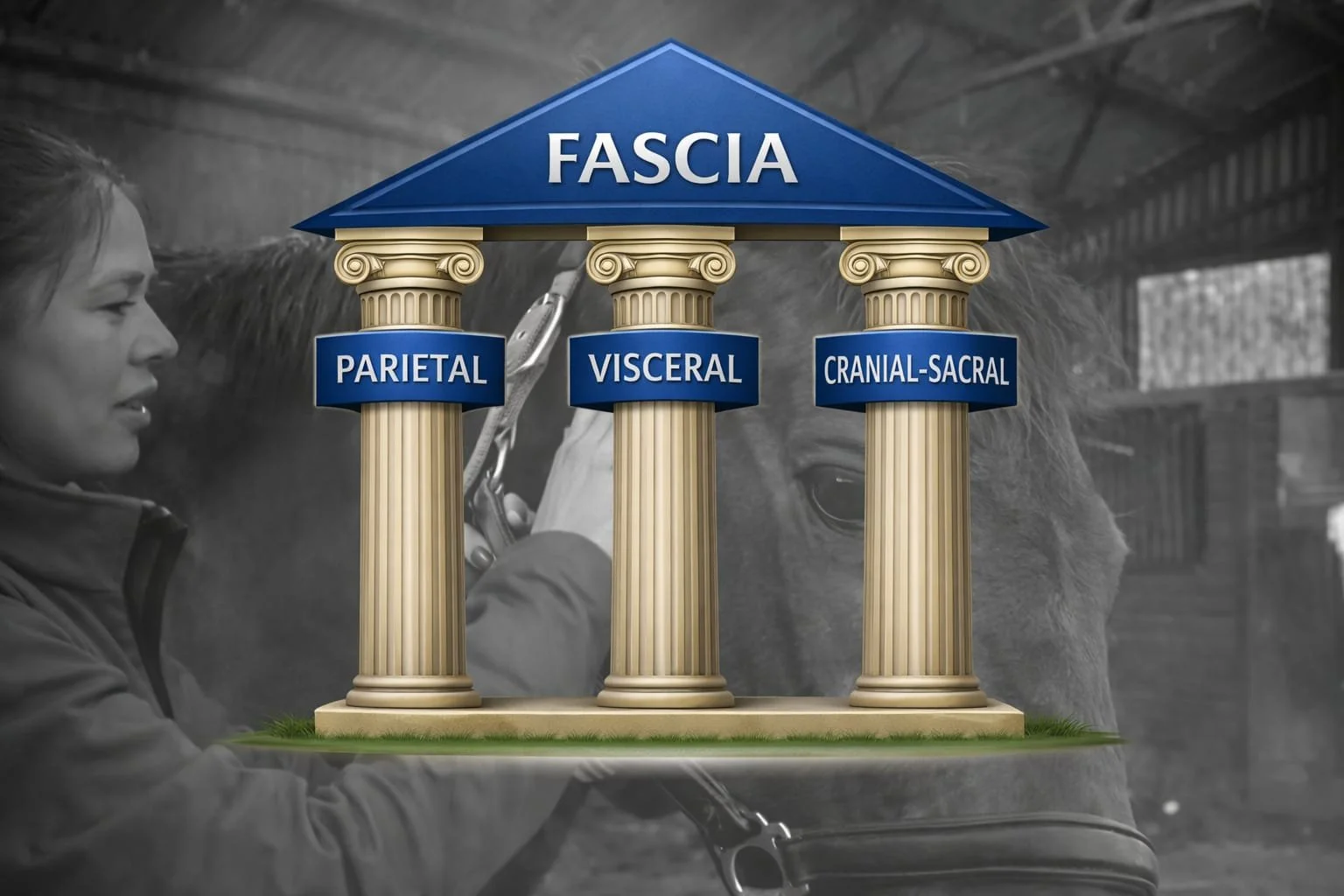
I work with performance horses in regular work or competition, as well as horses presenting with ongoing, complex, or unresolved issues.
I graduated from the EDO® programme at the Vluggen Institute in 2025.
My focus is on supporting soundness and movement over time, rather than providing isolated or one-off intervention.
My approach is centred on understanding how the whole horse functions. Each horse is assessed individually, considering posture, movement, workload, history, and compensatory patterns, with treatment planned accordingly.
Meaningful change often requires more than a single session. Initial work may involve closer treatment intervals, followed by a structured maintenance programme tailored to the individual horse and their job. This allows progress to build, rather than repeatedly starting again.
My work integrates equine-specific manual therapy informed by osteopathic principles, advanced soft-tissue techniques, and PEMF where appropriate. The same principles also underpin the training I deliver through in-person courses and online learning, for horse owners, riders, and equine professionals.
Based in DN21 (Lincolnshire, United Kingdom 🇬🇧), I offer intensive in-house programmes for more complex cases, alongside planned yard visits across the UK. Where an in-person visit is not practical (including for remote and international clients), I offer 1-to-1 Zoom consultations focused on case history, movement video review and next steps.
If you are looking for thoughtful, ongoing support rather than reactive or one-off treatment, please get in touch to discuss the most appropriate option for your horse.
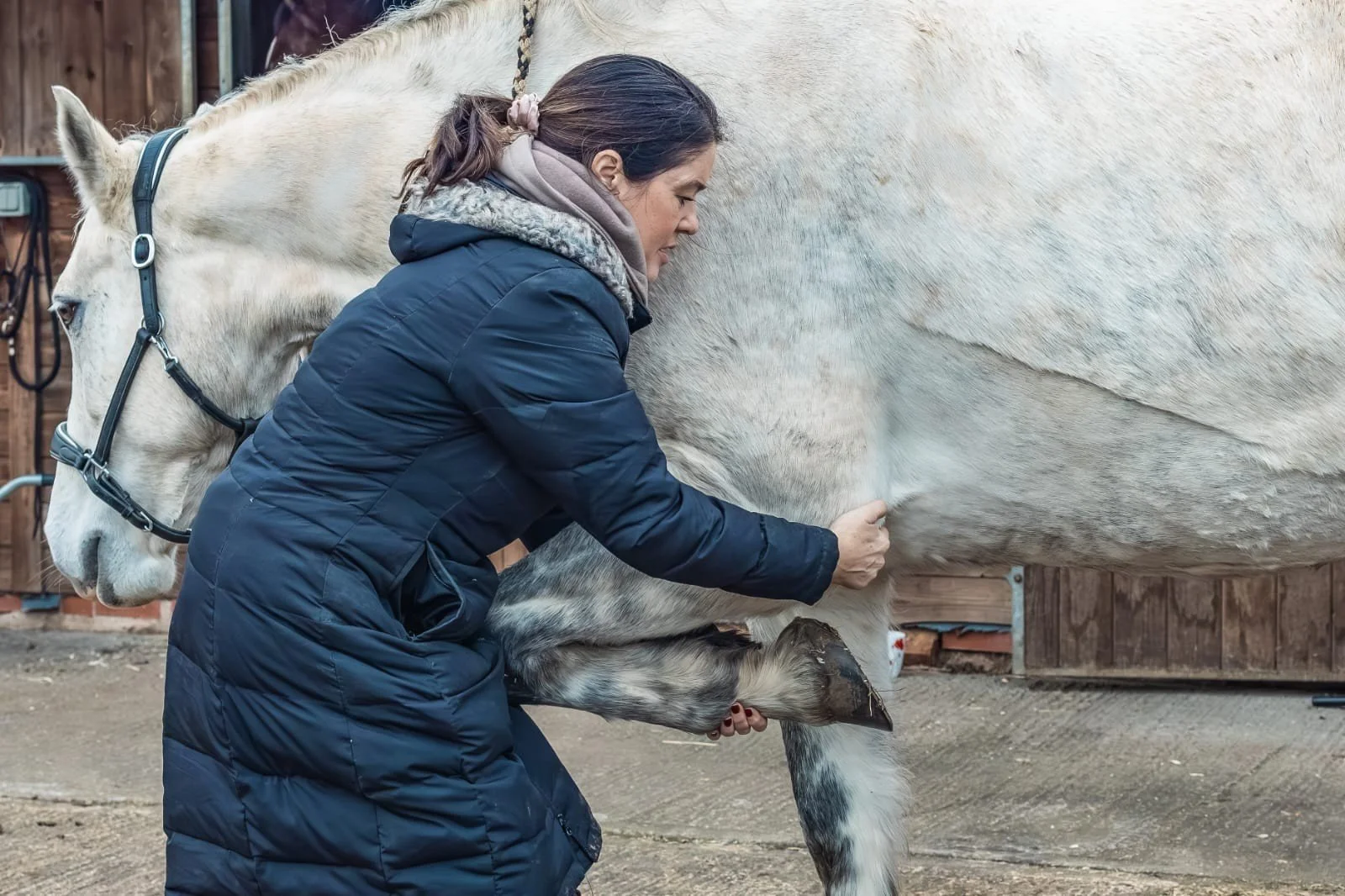
“I provide equine manual therapy informed by osteopathic principles. I am not registered with the General Osteopathic Council as I do not practise human osteopathy.